Product
Who We Are



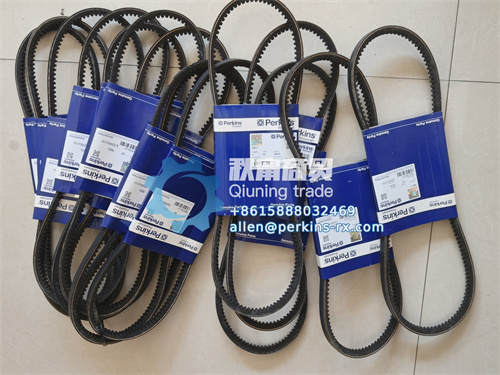
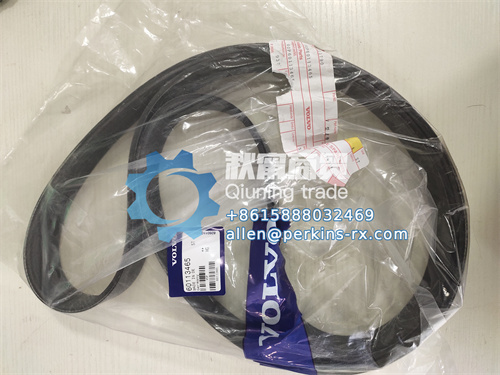
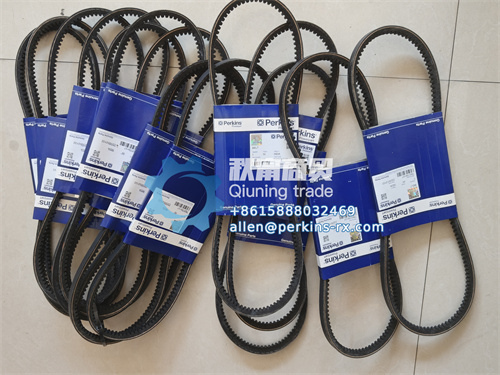
Perkins engines are renowned for their durability in powering construction, agricultural, and power generation equipment worldwide. However, even the most reliable engines depend on seemingly simple components like drive belts to function properly. The Perkins T80109107 belt is specifically engineered for select 400 Series engines, where it plays a crucial role in driving both the alternator and cooling system components.
This V-ribbed belt ensures that your engine's electrical system receives consistent power while maintaining optimal operating temperatures—a dual function that makes it indispensable for equipment uptime.
Audible Warning Signs: A high-pitched squealing noise during startup or acceleration typically indicates a slipping belt. This sound occurs when the belt loses proper tension and fails to maintain adequate friction against the pulley surfaces. Alternatively, a rhythmic slapping sound might suggest cracks or missing sections on the belt's underside.
Visible Wear Indicators: During routine maintenance inspections, look for:
Cracks or fraying along the belt edges
Glossy, hardened sections indicating material degradation
Missing ribs or chunks of material
Excessive belt dust around the pulley area
System-Wide Inspection: When replacing the T80109107 belt, simultaneously examine:
Pulley alignment and condition
Tensioner mechanism operation
Bearing play in all belt-driven components
Mounting brackets for cracks or deformation
System Preparation: Always disconnect the battery before beginning belt replacement to prevent accidental engine starting. Allow the engine to cool completely to avoid burns.
Tensioner Operation: Locate the belt tensioner—typically identified by a square hole designed for a breaker bar or special tool. Rotate the tensioner clockwise to release pressure on the belt.
Routing Verification: Before removing the old belt, note its exact routing path around all pulleys. Consider taking a reference photograph for accuracy.
Component Inspection: With the belt removed, rotate each pulley by hand to check for roughness, noise, or excessive play that might indicate bearing issues needing attention.
New Belt Installation: Route the new T80109107 belt according to your reference, ensuring it sits properly in all pulley grooves before releasing the tensioner.
Final Verification: After installation, manually rotate the engine through two complete revolutions to confirm proper seating, then start the engine and observe belt operation for alignment and tension.
When replacing a repeatedly failing T80109107 belt, consider these underlying issues:
Misaligned Pulleys: Even slight pulley misalignment dramatically accelerates belt wear. Use a straightedge across pulley faces to verify proper alignment.
Contaminant Ingress: Oil, coolant, or power steering fluid on belt surfaces causes rapid deterioration. Identify and repair any leaks before installing a new belt.
Faulty Tensioner Assembly: A worn tensioner cannot maintain proper belt pressure. Check for smooth operation and consistent spring resistance.
Bearing Failures: Seized or rough bearings in accessory components create excessive drag that overloads the belt. Listen for unusual noises when rotating components by hand.
Ningbo Qiuning Trading Co., Ltd. specializes in supplying genuine Perkins components like the T80109107 belt to keep your equipment operating at peak performance. Our commitment extends beyond parts provision—we offer technical guidance to help you maintain optimal equipment health.
Contact Information:
WeChat/WhatsApp: +8615888032469
Email: allen@perkins-rx.com