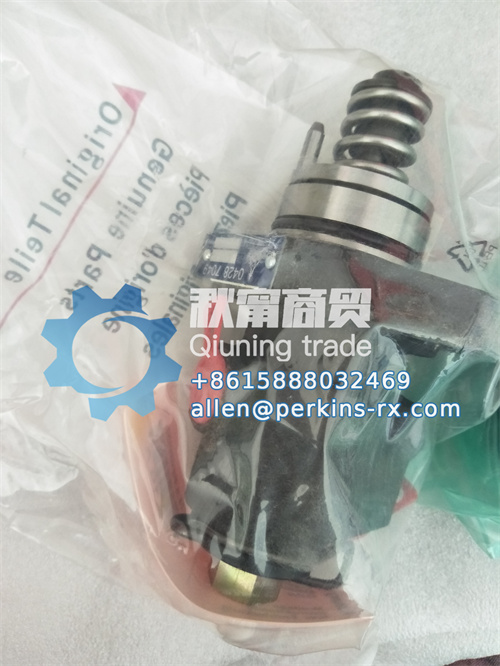
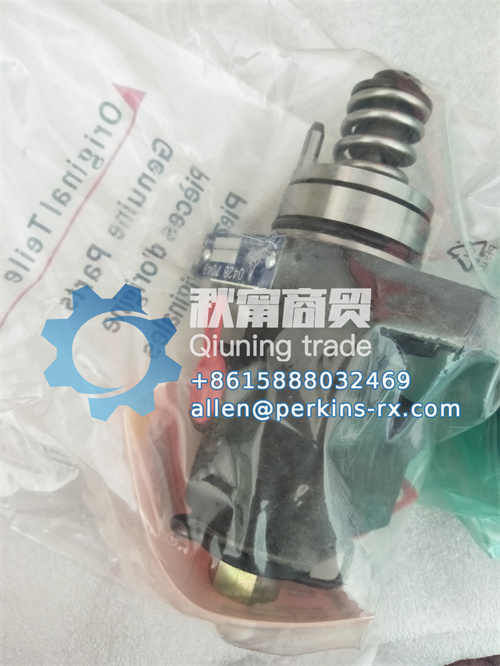
The 'precise pressurization center' of fuel injection - Deutz Deutz 04103377 single unit pump
The single unit pump is the "high-pressure heart" of the fuel system, responsible for pressurizing low-pressure fuel to thousands of bars and injecting it as needed. Its pressure control accuracy and response speed directly determine the combustion efficiency and power performance of the engine. The Deutz Deutz 04103377 single unit pump, with its original factory grade design and detailed polishing, has become the key to efficient engine operation under multiple operating conditions. Its core value lies in the dual advantages of "precise pressure control" and "transient adaptation".
As an original accessory of Deutz, the installation dimensions and pressure curve of 04103377 are fully synchronized with the engine ECU (specific compatible models can be consulted with customer service). From the stroke of the plunger to the opening pressure of the oil outlet valve, they have been calibrated through millions of operating condition simulations by the original factory, ensuring that the injection pressure and fuel volume can be adjusted within 0.1 seconds in transient scenarios such as rapid acceleration (sudden increase in load) and idle (sudden decrease in load) - avoiding the common "pressure lag" of general unit pumps: lag can cause delayed combustion, resulting in power jerks or fuel consumption spikes. The synchronicity of the original factory ensures a seamless fit between fuel injection and engine operating conditions, resulting in a combustion efficiency improvement of over 8%.
The focus of materials and processes is on "high pressure resistance". The plunger is made of high-strength alloy steel, which is subjected to cryogenic treatment to eliminate internal stress, and has a compressive strength of over 2000 bar (capable of withstanding high-pressure impact during fuel injection); The sealing surface of the fuel outlet valve is hardened by laser cladding, which improves its wear resistance by 50% compared to ordinary treatment. Even in the presence of trace impurities in the fuel, it can still maintain precise sealing and reduce dripping (which can cause carbon buildup and blockage of the fuel injector). This design allows the single pump to exhibit better stability than auxiliary components in commercial vehicle mountainous areas (frequent rapid acceleration) and heavy load operations of construction machinery (continuous high load), with a lifespan extension of 40%.
Its implicit protection for the engine is more worthy of attention: precise pressure control to avoid injector wear due to overpressure, stable fuel volume to reduce local detonation in the cylinder, and indirectly reduce piston and valve carbon deposits. If the individual pump fails, it can cause a sudden drop in engine power and idle shaking, and in severe cases, damage to the cylinder block due to uncontrolled fuel injection, significantly increasing maintenance costs. Choosing the original single pump actually builds a "precise injection defense line" for the fuel system, forming a closed loop between efficiency and reliability.
Maintenance suggestion: It is recommended to check the wear of the plunger of the individual pump every 150000 kilometers (which can be judged by the working status of the fuel injector), and replace it in a timely manner if abnormal injection noise or power fluctuations are found; The replacement requires a professional technician to calibrate the pressure parameters according to the original factory specifications to ensure compatibility with the engine operating conditions.