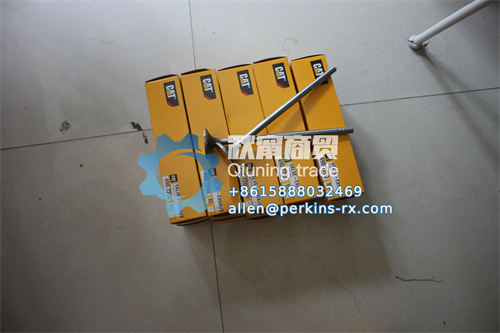
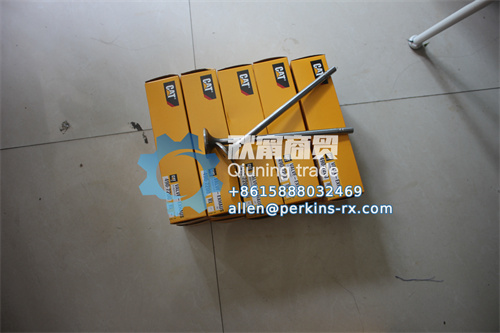
The "Sealing Control Core" of Generator Set Gas Distribution - CAT Generator Set Overhaul Inlet and Exhaust Valves
In the overhaul of the generator set, the intake and exhaust valves are the "key components" for rebuilding the sealing of the valve system. Their fitting accuracy and high temperature resistance directly determine the combustion efficiency, power stability, and continuous operation ability of the unit. The CAT overhaul of the intake and exhaust valves focuses on "original factory level overhaul adaptation" and "extreme working condition tolerance", becoming a reliable choice for CAT unit overhaul. Its value lies not only in "replacing old parts", but also in its dual role of "stable gas distribution and strong endurance".
As a major overhaul part of CAT, its valve head curvature, stem diameter, and cylinder head valve seat are perfectly matched (specific compatible models can be consulted with customer service). The sealing surface, which has been tested and calibrated by the original factory, uses spherical grinding (with a fitting degree of ≥ 98% with the valve seat) for the intake valve to ensure that no air leaks into the combustion chamber; The sealing surface of the exhaust valve is welded with wear-resistant alloy (with a hardness of HRC55) to resist high-temperature exhaust gas erosion (long-term operation without erosion). This "exclusive adaptation" avoids the "air leakage" caused by size deviation of universal valves - such problems can reduce the power of the unit by more than 10%, increase fuel consumption and cylinder head carbon deposition.
Material design for functional differences: The intake valve is made of chromium nickel alloy (resistant to low-temperature airflow impact, suitable for frequent start stop), and the exhaust valve is made of nickel based high-temperature alloy (containing tungsten element, resistant to gas corrosion above 800 ℃, and has a 50% longer lifespan than ordinary alloys). The valve stem has undergone hardening treatment (surface roughness ≤ 0.8 μ m) to reduce friction with the valve guide and adapt to the high-frequency reciprocating motion of the generator set running continuously for 24 hours.
The implicit value is reflected in the overhaul: tight sealing improves combustion efficiency by 7% (reduces fuel consumption by 5% -6%); High temperature resistance reduces exhaust valve erosion (commonly seen during continuous full load operation), extending the continuous operation cycle of the unit to over 8000 hours; Accurate gas distribution ensures voltage output fluctuation of ≤ 1% (guaranteeing stable electrical equipment).